
Guide: Buzzy Joell
Windhoek – Okonjima
After meeting all the guests at our lodge, we left Windhoek and headed north toward Okonjima, home of the Africat Foundation. A quick lunch and coffee stop in the small town of Okahandja turned into a bit of a strategy session—the four days ahead of us were packed with Leopard tracking, Pangolin tracking, night drives and game drives. The thunderclouds were building though and it seemed that the weather might become a deciding factor in our days ahead!
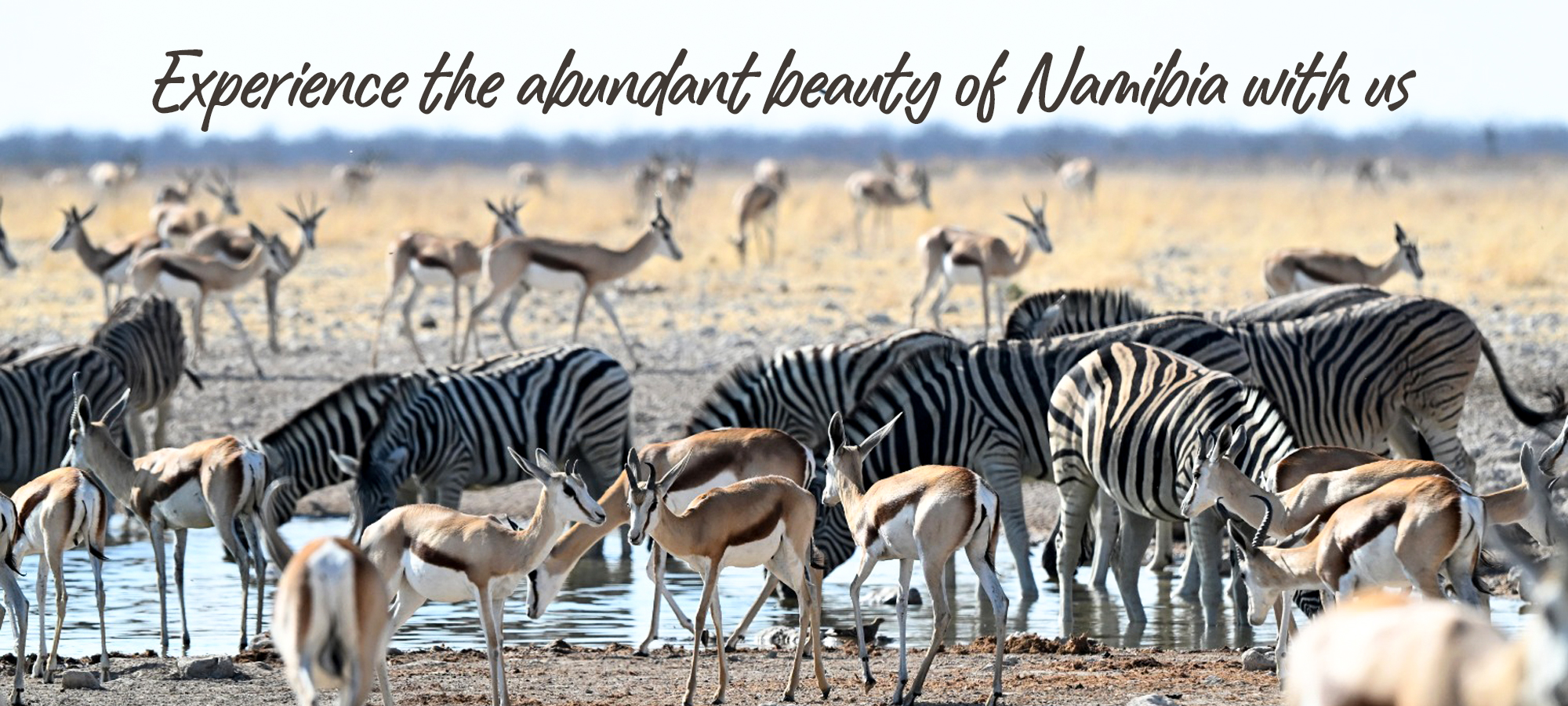
We rolled in to the lodge mid-afternoon, dropped our bags, and made a beeline for the waterhole in front of the restaurant. It didn’t take long before the regulars showed up—Springbok, Common Duiker, Steenbok, Warthog, Plains Zebra and Impala; ticking things off nicely before sunset.
As the light softened, and the thunderclouds unloaded there payload, we sat down for dinner. We then layered up and climbed onto the vehicle for our first proper outing: A night drive. Porcupine, Brown Hyena, Black-backed Jackal and Scrub Hare were all added to the list. We got back to the lodge, ready for a good night’s reast while listening to the Jackals. Always a great way to end the day!
Up and at it the following morning we all gathered at the lodge for a quick coffee and a muffin for those that were hungry. Soon it was time to jump back into the vehicle and head out … Leopard tracking would fill up our morning.
This activity always has an air of excitement that surrounds it…
Okonjima has a number of collared leopards used for research, which gives you a genuine shot at finding them—but let’s not kid ourselves, this is still Africa. Not a zoo, not even close. We picked up a signal from a male, followed it for what seemed like ages … and got absolutely outplayed. He stayed one step ahead the entire time. Frustrating? Sure. Impressive? Even more so.
We didn’t go home empty-handed though—Black-backed Jackal, Oryx, Hartmann’s Mountain Zebra, Kudu, Wildebeest, Springbok, Common Impala, Common Duiker and Springbok … a solid supporting cast.
It was back to the lodge for us for breakfast and some free time.
We met up again on the late afternoon to hang out with the locals that called the waterhole in front of the lodge restuarant home. Sundowner drinks were enjoyed while watching Giraffe, Springbok, Warthog, Jackal and commom Duiker quench their thirst.

After a delicious dinner, our night drive were up next. Into the night we went in search of Africas most illegally trafficked mammal, The Pangolin.
With the sky being filled with lightning we began our sojourn through the reserve. We soon met up with the APU (Anti poaching unit) that is responsible for the tracking and research of these creatures. The weather was behaving itself aka we were relatively dry; we hopped off the vehicle, were handed head torches and after a short walk through the bush in the dark, there he was: a Pangolin! I am privelaged enough to have seen a number of these strange, magical creatures in my life … but they still stop me in my tracks everytime.
Again the weather gods smiled on us and we managed to dodge the rain on the way back to the lodge. With Pangolin now ticked off the list, that was the day truly done and dusted! Time for a well deserved sleep.
Ground hog morning … and another shot at leopard tracking.
Up before sunrise—coffee in hand, muffin in the other, still talking about the night before. We headed back out on to the reserve. This time we were rewarded with an incredible Leopard sighting, A young male patrolling the boundary of his newly acquired territory. We watched in awe as he scent marked, climbed trees, fell out of one of the trees, tried to catch sandgrouse and then had a majestic stretch and yawn not 30 meters from us. A photographer’s delight.

The heat over lunch and afternoon did what it always does—slowed everything down, including us. A bit of downtime was non-negotiable before dinner and then another night drive.
Later, we regrouped on the lodge deck overlooking the waterhole. Springbok with calves, Warthog families, Giraffe, Banded Mongoose—it felt like the whole place came down for a drink.
The night drive itself was… challenging. Wind and a full moon aren’t exactly ideal, but we still managed Brown Hyena, Bat-eared Fox, Springhare, and Jackal. Not record-breaking, but considering the conditions, we’ll call that a win.
Waterberg plateau national park
Our next stop was the a relatively short stagger from Okonjima. We headed slighlty north and in to the Waterberg Plateau national park.
Here we would be ditching the car for the next 24 hours and exploring the area on foot.
An afternoon walk to the top of the plateau was thoroughly enjoyed by everyone. The local Black Mongoose clan managed to evade us though.
After dinner we headed out for a night walk on the property, Scrub Hare, Small-spotted Genet, Lesser Galago and Acacia tree Rat were added to our already impressive list of nocturnal creatures.
A personal highlight for me was finding a very specific species of Butterfly here: Braines Charaxes, What can I say, I like Butterflies.
From here it was time to head even further north.
Roy’s Rest Camp
Next stop: Roy’s Rest Camp, a rustic little place with plenty of character—and more importantly, Southern Lesser Galagos on the target list.
We arrived late afternoon and were greeted by a Damara Dik-dik; the smallest Antelope in Namibia. Not exactly subtle, but a very welcome introduction.
The galagos kept us waiting (Africa time, obviously), but eventually showed up and gave us a proper show.
After dinner, we spent time at the waterhole hide – Kudu, Oryx, Impala, Hartebeest topped off with a very brief visit from an African Wildcat … a steady flow of visitors made the evening worthwhile.
We headed off to bed as tomorrow was a long drive north and into the Zambezi region of Namibia.
Mahangu / Bwabwata
Up early and prepared for a ‘Travel day’, we pushed north into the Zambezi region—our first proper “Big 5” territory of the trip.
We would be spending the next couple of days exploring the parks of the area.
Bwabwata Buffalo core was the first area we would be exploring, before the sun rose we were all in vehicle and on our way to the park.
There had been a lot of rainfall in the area over the preceding weeks and so the bush in the area was incredibly thick. This however did not prove to be an issue as we were lucky enough to come across Lions with cubs that were only around 12 weeks old. Cubs first thing in the morning are extremely active and we were treated to all their morning antics while mom supervised! An elephant roadblock on the way out of the park was an added treat!
After nearly a full day in the Bwabwata Bufalo core area we had ticked off Lion with cubs, Elephant, Sable Antelope, Red Lechwe, Greater Kudu and Bushbuck.
Mahangu didn’t disappoint. Morning drives produced Elephant, Buffalo, Red Lechwe, Sable, Kudu and Buffalo… the list kept building. It’s an area of Namibia that just works. Its no wonder it remains on of my favourite places to visit.

The afternoon boat trips along the Kavango River gave us a different angle—big pods of Hippo, Crocodile and water Monitor lizzard. Not textbook, but good enough to count.
Night walks around the lodge grounds added Small-spotted Genet and Galago again—familiar faces, but no complaints.

Etosha National Park – East to West
Back south to Etosha, starting near Von Lindequist Gate.
We were first in the queue to enter the park and within minutes of entering the park, we ran into Black-faced Impala—an endangered, near-endemic species that most people drive straight past. Definately worth slowing down for.
The morning picked up quickly with two male lions on a Zebra kill literally 20 metres from the road. I am talking close enough to the vehicle that you could hear the big cats actually crunching on the cartilage of their meal.
As we moved west toward Halali, we were greeted with sightings of Giraffe, Wildebeest, Springbok, Black-faced Impala, Warthog, Spotted Hyena, Banded Mongoose, Ground Squirrel, and Cheetah. Halali’s waterhole gave us a quiet but steady afternoon, followed by a night drive that delivered. The night drive from Halali added Black Rhino, African Wild Cat, Porcupine, and more Galagos—consistent, if not wildly unpredictable.
The following morning it was tome to head further across the park towards Okaukeujo. This would be our final destination in Namibia’s flagship park. Between the game drives to and around Okaukeujo, as well as the waterhole at the camp itself. We had yet more sightings of Cheetah and Lion, As well as Elephant, Black-backed Jackal, Black Rhino, Yellow Mongoose, Ground Squirrel, Giraffe, Oryx, Red Hartebeest, Wildebeest, plains Zebra, Springbok and Black-faced impala. Etosha had, as always delivered the goods.

Brandberg – Erongo
From there, we pushed into harsher terrain around Brandberg. Slower going, but rewarding. The Suricates eventually showed themselves after some patience, and the elusive Damaraland Ground Squirrel took even longer—but we got it.
Not quickly, not easily—but we managed to tick off both of these sought after mammal species.
A night drive from the lodge offered up sightings of Black-backed Jackal, Yellow Mongoose, Scrub Hare, Spring Hare, Brush-tailed Gerbil and Jamesons rock Rabbit!
Our final destination was the Erongo Mountains. This wrapped things up inland with quieter sightings—Bushveld Sengi, Dassie Rat, Rock Hyrax and finally Black Mongoose! The local troop of Chacma Baboons made their presence known with the loud warning barks of the dominant male and the shrieks and screeches of the younger members of the troop! A more relaxed pace, but still full of moments.

Wrap-Up
Over the course of the trip, we recorded just over 55 mammal species, with a solid portion being lifers for the guests.